
Terra Nullius?
Who owns the unknown?

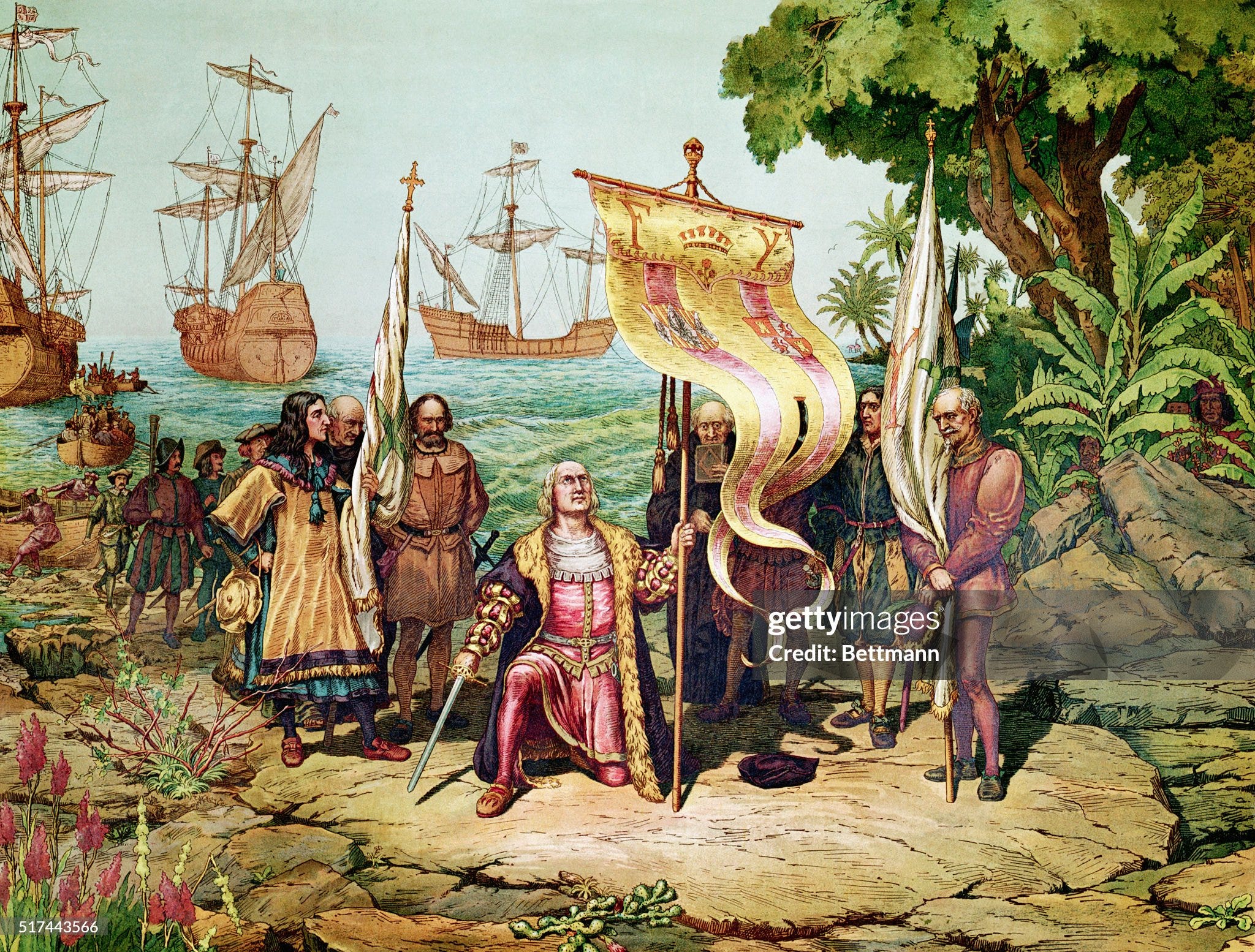
For centuries, maps contained dragons, monsters, blank spaces, and the ancient warning: terra incognita—unknown land.
Modern humanity likes to imagine that age is over.
Satellites orbit the Earth.
Artificial intelligence processes oceans of information.
Every corner of the planet supposedly appears mapped, measured, photographed, and catalogued.
And yet, in 2026, explorers aboard the German polar research vessel Polarstern accidentally discovered and mapped a previously unidentified Antarctic island for the very first time.
Not in the 19th century.
Not during the age of Shackleton—the Heroic Age of Antarctic Exploration, roughly from the late 1890s to the early 1920s.
Not under sail.
Now.
The island, located in the northwestern Weddell Sea, had long appeared on nautical charts merely as a vague “danger zone” without anyone fully understanding what actually existed there.
Then bad weather forced researchers from the Alfred Wegener Institute to seek shelter nearby. Looking out from the ship, one scientist noticed what initially seemed to be a dirty iceberg.
It was not ice.
It was rock.
An island roughly 426 feet long emerging from one of the least-charted regions of Antarctica.
There is something profoundly fascinating about this.
Even now, in the hyper-technological 21st century, parts of our own planet remain imperfectly understood.
And that realization inevitably raises deeper questions.
Who owns newly discovered land in Antarctica?
Who names it?
Who controls it?
Who decides its future?
Under the Antarctic Treaty System, no single nation formally owns Antarctica itself, though multiple states maintain overlapping territorial claims frozen under international agreements. Scientific cooperation largely replaced direct geopolitical confrontation there—at least for now.
But history suggests that “unknown” territories rarely remain politically neutral forever.
Throughout history, discovery and sovereignty have almost always walked together:
flags planted,
maps redrawn,
resources claimed,
shipping routes contested,
and strategic footholds transformed into geopolitical realities.
The Roman Empire,
the Spanish Crown,
the British Empire,
the United States,
the Soviet Union,
and Communist China all understood the same principle:
the unknown eventually becomes strategic.
And Antarctica may prove no exception in the long run.
The deeper philosophical question, however, may be even more interesting:
can humanity truly ever “own” the unknown?
Or are we merely temporary explorers moving through mysteries far larger than ourselves?
The age of exploration is clearly not over.
It merely changed uniforms:
from caravels and sextants
to icebreakers, drones, satellites, and sonar scans beneath polar seas.
And somewhere in Antarctica, hidden for centuries beneath ice, storms, and incomplete maps, a small unnamed island quietly waited for humanity to notice it existed.
And somehow, as I write this post, I find myself thinking about Elon Musk.
Share it with him if you can.
Thanks.
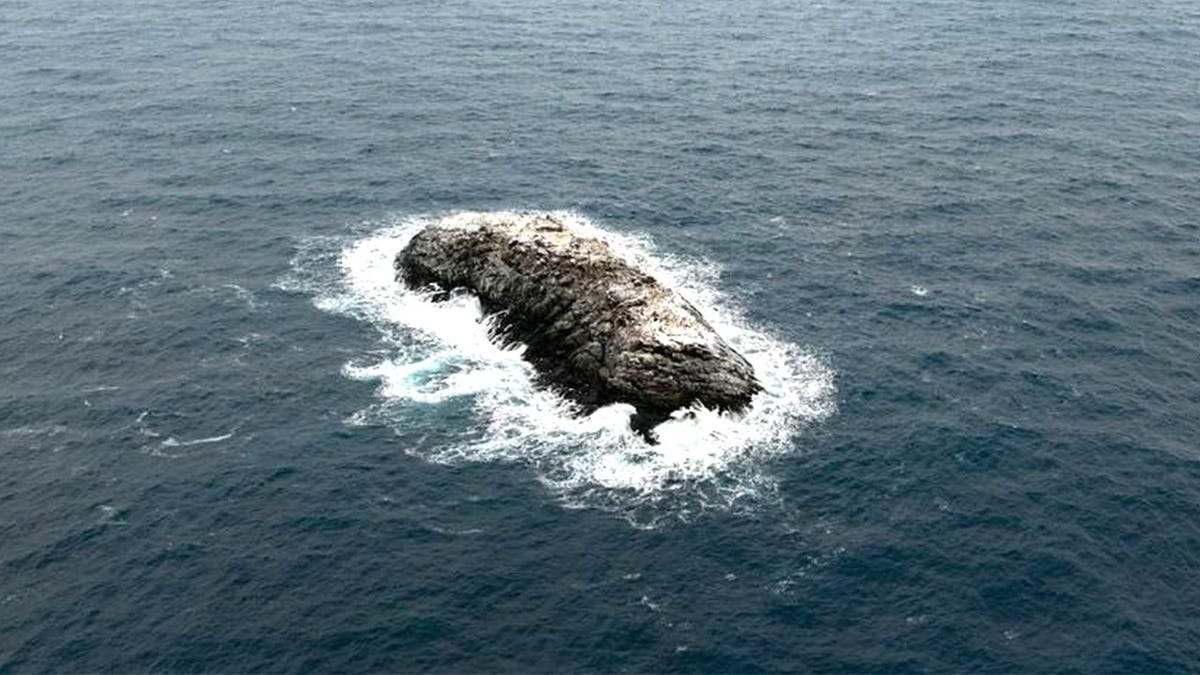
A polar research team confirmed the existence of a small rocky island after spotting what first appeared to be a dirty iceberg. (Photo: Alfred Wegener Institute).
Want to support ForeignLocal? Become a paid subscriber today… or buy me a coffee here. Thanks much.
Lord only knows what's really beneath that ice
Great news article. Oh it's an island. If you claimed you owned it the Antarctica coalition would charge you property tax.